
Infant and Toddler Programs, 6 Weeks to 18 Months.
For parents choosing the first classroom their child will know.
The Infant and Toddler Programs room
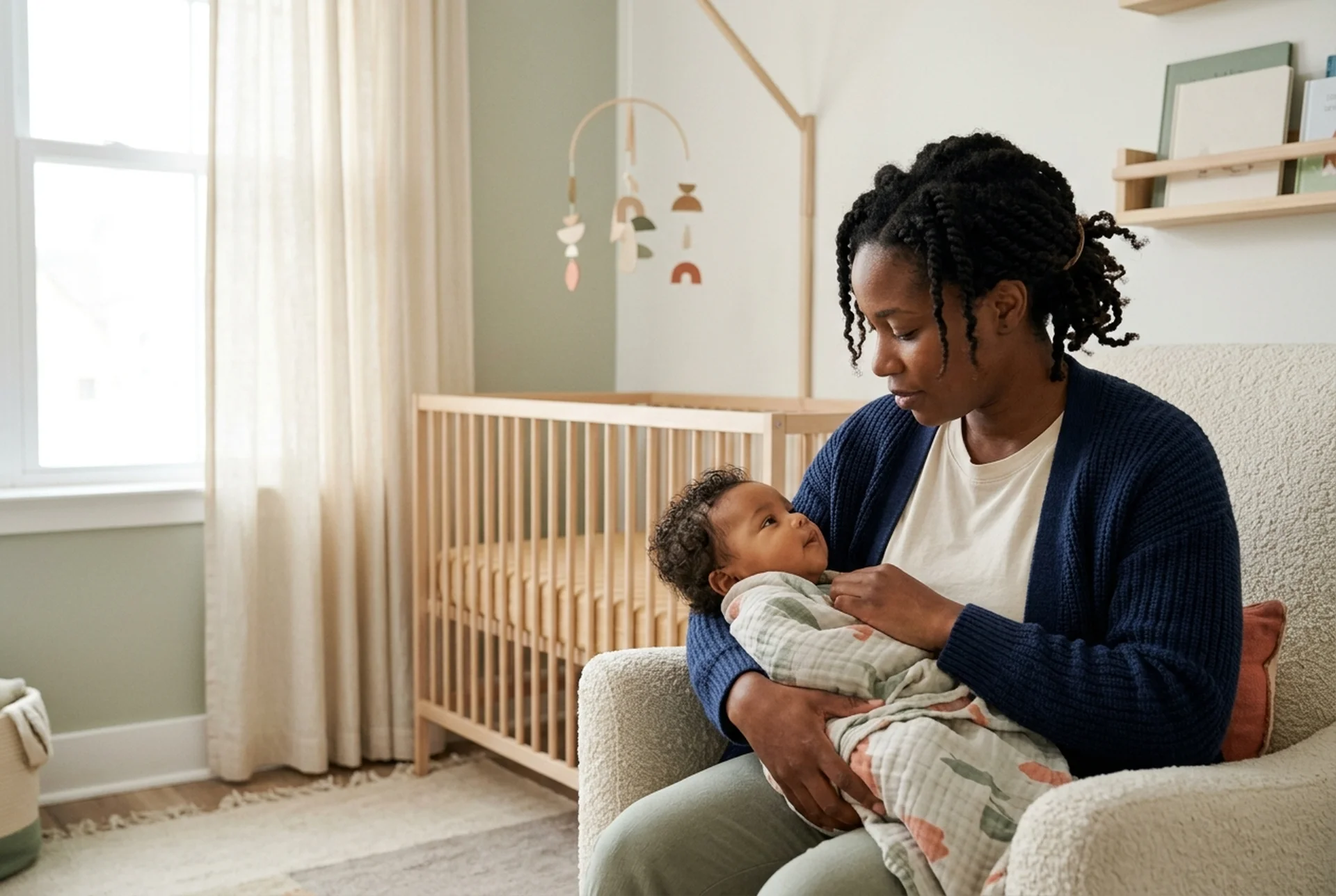
In the Infant Program, teachers learn each baby's own rhythm for feeding, resting, and moving. They watch first, then follow the child's cues.
Care routines are not interruptions. Diapering, meals, and rest become moments for language, eye contact, and trust. The room is set low and calm so babies can see, reach, and explore safely.
Over months, that steady attention shows. Children settle more easily, reach for books and textures, and begin to move with growing confidence.
What to expect
A Calm, Caring Beginning INFANT PROGRAM - 6 WEEKS TO 18 MONTHS
The Infant Program serves children from 6 weeks to 18 months. Teachers spend the first days learning each baby's natural rhythms, needs, and interests. Feeding, diapering, resting, movement, and transitions are treated as chances for connection and language. In this calm, prepared space, infants grow secure and curious.
For infants, learning begins with trust.
Teachers respond with consistency, warmth, and respect. A familiar voice, a predictable lap, the same gentle words at each transition — these help a baby feel safe, known, and cared for. Through the day, children are supported by gentle routines, rich language, and meaningful interaction.
This relationship-based approach helps infants build:
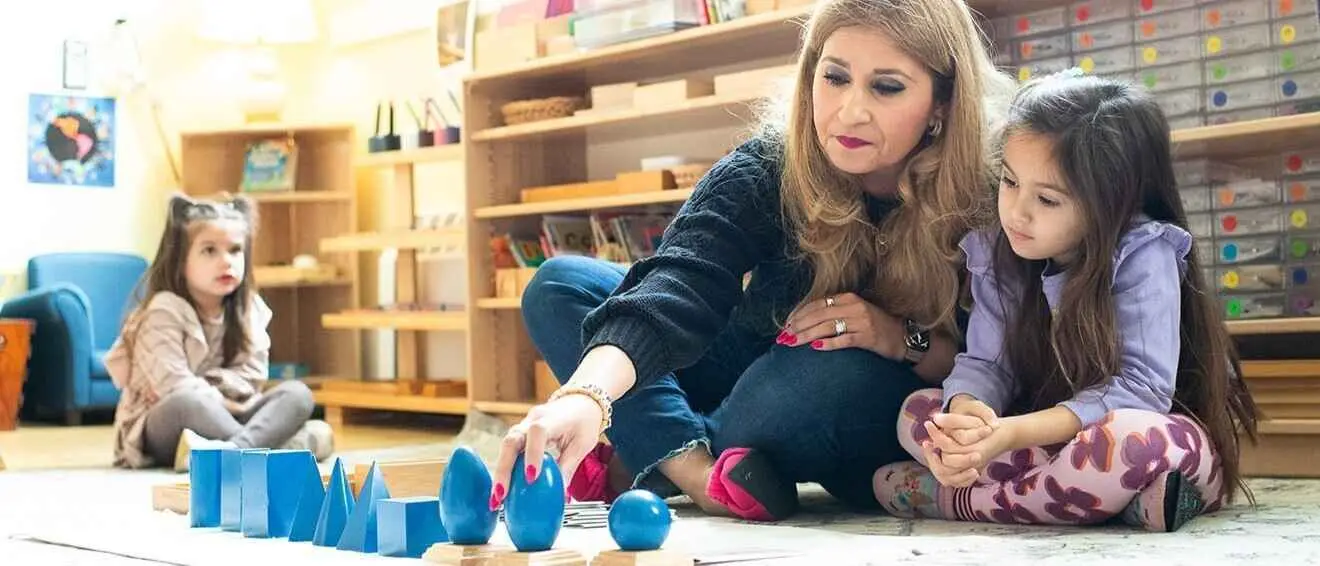
Children build early independence through simple routines: caring for themselves, tidying their space, and practicing grace and courtesy. They explore textures, sounds, shapes, and color. Spoken language from teachers supports early communication. Tummy time and first steps build coordination. Cribs, low tables, and responsive care create a calm rhythm that honors each child's needs.
Jane Duff
Janey attended Gladwyne Montessori as a child and loved it so much she returned to teach. She believes Montessori education for toddlers is the perfect start to a healthy love of learning. With three siblings who also attended, she saw the education shape them into kind, respectful, well-rounded people. She hopes to pass those life lessons along daily.
Grace Ta
Grace taught at another PAIS-accredited preschool and worked as a long-term professional nanny. She holds a bachelor's degree in Early Childhood Education and is certified to teach up to fourth grade in Pennsylvania. She first met Montessori in her education philosophy classes, then completed an infant-toddler overview course through The Center for Guided Montessori Studies. She is passionate about building community among students and families.
What this looks like in practice
Infants set their own schedule here. Teachers learn each baby's rhythms, then follow them through feeding, diapering, resting, and movement. Every routine carries language and connection, not just care. Toddlers move through a prepared room at their own pace, choosing work and returning it to the shelf. Parents see daily notes and can ask teachers how the day went.
The practical benefit shows up at home. A child who has been talked with all day starts using words sooner. A toddler who wipes the table at school wants to do it at home. Steady, responsive care helps children separate more calmly at drop-off and settle faster at bedtime, because they have learned that adults return and needs get met.